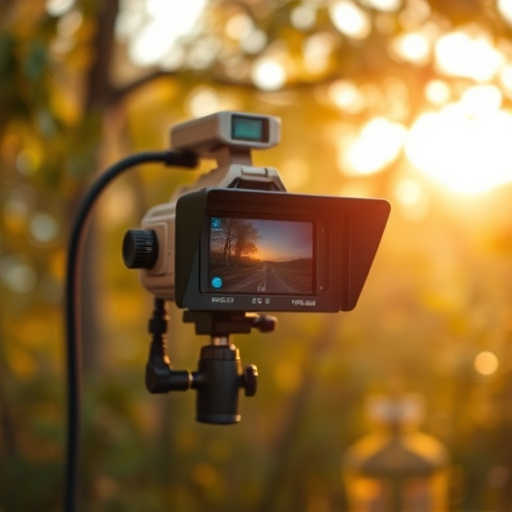
RF detectors are cutting-edge tools that protect privacy from hidden cameras by scanning radio frequencies. They detect and track signals in hard-to-reach spaces, enabling proactive measures to safeguard personal spaces. A simple process involves visual inspection followed by RF detector scans, meticulously investigating anomalies for hidden cameras. Advanced techniques like thermal imaging, AI algorithms, and RF analyzers bolster defenses against surveillance in today's digital age, ensuring enhanced security and privacy.
Uncover the secrets behind RF detector sweeps in this comprehensive guide to neutralizing hidden cameras. Learn how to navigate the technology landscape and protect your privacy from these covert threats. We’ll walk you through a step-by-step process for detection, offering advanced techniques to fortify your defenses. From understanding RF detectors to implementing robust privacy measures, arm yourself with knowledge to safeguard your personal space.
- Understanding RF Detectors: Unveiling the Technology
- Detecting Hidden Cameras: A Step-by-Step Guide
- Privacy Measures: Protecting Against Hidden Threats
- Advanced Techniques for Camera Detection
Understanding RF Detectors: Unveiling the Technology
RF detectors, or radio frequency detectors, are cutting-edge tools designed to protect privacy from hidden cameras and other surveillance devices that operate wirelessly. These innovative gadgets work by scanning and analyzing radio frequencies in a given area, identifying signals associated with hidden camera networks. Understanding how RF detectors function is crucial for anyone looking to safeguard their privacy in today’s tech-driven world.
By emitting and receiving radio waves, these detectors can detect and track the unique signals emitted by hidden cameras, even those concealed within walls or other hard-to-reach spaces. This technology ensures that individuals can take proactive measures to protect their personal spaces from invasive surveillance, empowering them to safeguard their privacy from hidden threats.
Detecting Hidden Cameras: A Step-by-Step Guide
Detecting hidden cameras is an essential step in protecting your privacy and ensuring a safe environment. Here’s a straightforward, step-by-step guide to help you identify these covert devices. Begin by performing a visual inspection of the area, looking for any unusual objects or modifications that might suggest the presence of a camera. Next, use a radio frequency (RF) detector to scan for wireless signals, as many hidden cameras transmit data via RF waves. Walk slowly and methodically through the space being careful to cover every corner and crevice. If the detector alerts you to an anomaly, further investigation is required.
Close in on the area of interest and check for any electronic devices or small apertures that could house a camera lens. Look for tiny LED lights, which might indicate an active camera, and examine surfaces for signs of tampering or unusual mounting. Remember, staying vigilant and proactive is key to protecting your privacy from hidden cameras.
Privacy Measures: Protecting Against Hidden Threats
In today’s digital era, protecting privacy from hidden cameras has become a paramount concern. Individuals and organizations alike must be vigilant against surveillance threats that can go undetected for extended periods. A RF detector sweep is a powerful tool in this regard, enabling you to identify and neutralize covert recording devices that operate wirelessly. By employing these advanced detection methods, you significantly enhance your ability to protect sensitive spaces from prying eyes and ensure the privacy of your personal and professional interactions.
Advanced Techniques for Camera Detection
Protecting privacy from hidden cameras has become a critical concern in today’s digital age. Advanced techniques for camera detection go beyond basic RF detector sweeps, employing sophisticated tools and methods to identify covert surveillance devices. These include utilizing specialized thermal imaging cameras that can detect heat signatures associated with camera components, as well as advanced radio frequency (RF) analyzers capable of pinpointing hidden transmitters.
Some experts even employ artificial intelligence (AI) algorithms trained on known camera signals to enhance detection accuracy. By combining these cutting-edge technologies, individuals can significantly reduce the risk of their personal spaces being invaded by hidden cameras, promoting a greater sense of security and privacy in an increasingly connected world.
RF detector sweep hidden camera tutorials offer valuable insights into protecting your privacy from these covert threats. By understanding RF detectors and their capabilities, you can take proactive steps to detect and disable hidden cameras, ensuring a safer digital environment. Implementing robust privacy measures alongside advanced detection techniques empowers individuals to safeguard their personal spaces and information in today’s tech-driven world.